If you want a Denver-area suburb that feels active without feeling hectic, Littleton deserves a closer look. For many buyers and relocators, the big question is whether a place can offer everyday convenience, outdoor access, and real neighborhood character all at once. Littleton stands out because it blends a historic downtown, a wide mix of housing, and strong trail and transit connections into one easy-to-understand lifestyle. Let’s dive in.
Littleton at a glance
Littleton is a 13-square-mile city with more than 44,000 residents and more than 2,000 businesses. It also has more than 59 parks and open spaces, plus two light-rail stations that help connect residents to the broader metro area.
The overall feel is more suburban than urban, but it does not come across as generic. The city is known for its historic downtown, trail network, and steady lineup of community events, which gives daily life a more rooted and local feel.
One important detail for anyone moving here is that some Littleton mailing addresses are outside the actual city limits. That means it is smart to verify the specific address before assuming city services, county jurisdiction, or what “Littleton” means in practice.
Downtown Littleton lifestyle
For many people, downtown is the heart of Littleton’s appeal. The historic core is centered on Main Street and Alamo Avenue, and the city designated the Downtown Littleton Historic District in 2021 to help preserve its architectural and cultural character.
Town Hall sits right in the middle of the four-block Main Street and acts as a visual anchor. That gives downtown a defined center, which is part of why it feels more memorable than a typical suburban commercial area.
Downtown is built for getting around in more than one way. The district highlights walking, biking, and transit access, and the area includes free on-street parking, some two-hour parking zones, two RTD lots, and a park-and-ride near Littleton/Downtown Station.
What makes this especially useful is that downtown is connected to several trail routes. Those include the South Platte River, Mary Carter Greenway, a creek trail through downtown, the Community Trail, and the Centennial Link Trail.
Dining, entertainment, and local events
Littleton offers a social scene that feels active but still local in scale. Downtown and nearby venues include spots such as Denver Beer Co., Jake’s Brew Bar, Cencalli Taqueria, Smokin Fins, and Honnibrook Craft Meadery.
If you like having more than restaurants in the mix, Littleton also has arts and entertainment destinations that add variety to the week. The city’s arts directory highlights Town Hall Arts Center, Hudson Gardens & Event Center, Alamo Drafthouse Littleton, and live music at venues such as Breckenridge Brewery.
Community events are another big part of the city’s rhythm. As of June 2026, the city calendar includes events such as Meet Greet & Eat, Illuminate Littleton, WWW Opening Night & Little Jam, and Candlelight Walk 2026.
Downtown Littleton also hosts Wine Walks on final Fridays from May through September. For buyers thinking about long-term lifestyle, that kind of recurring event schedule can say a lot about how connected and active a community feels.
Housing styles in Littleton
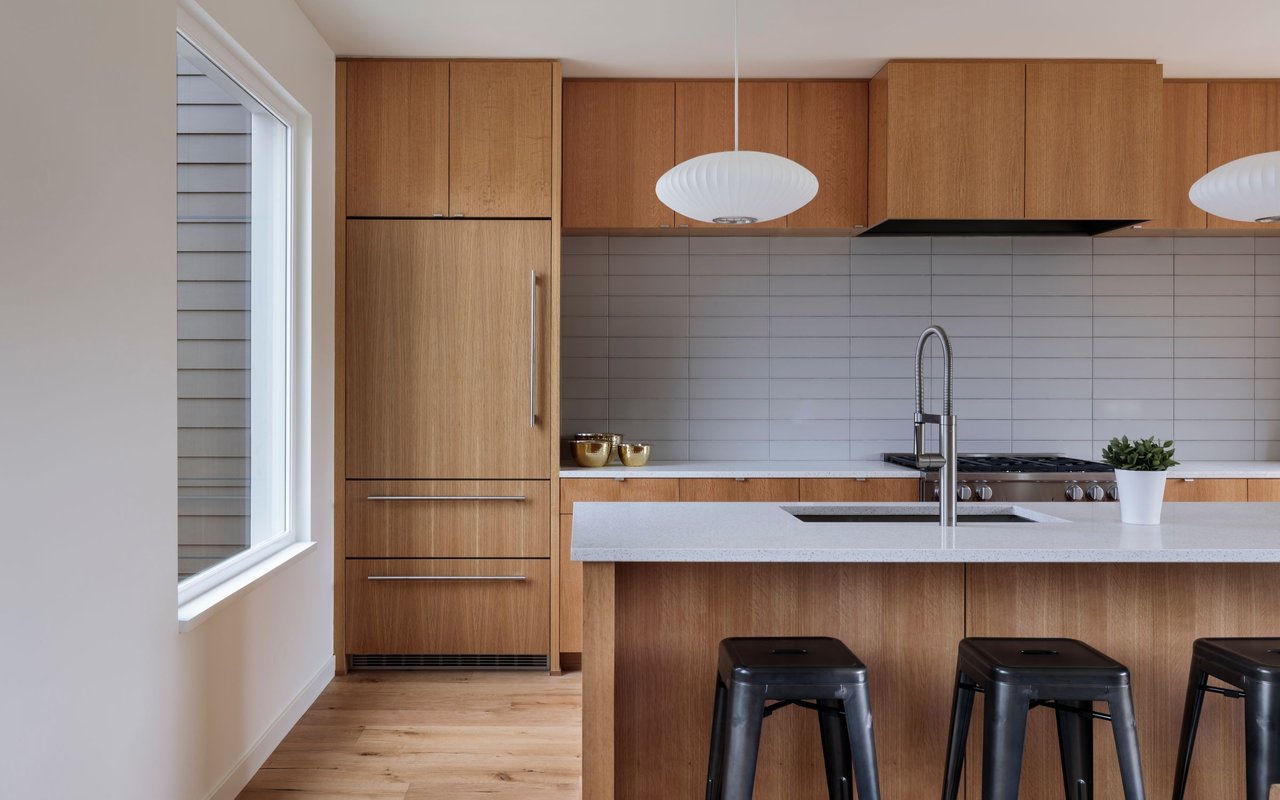
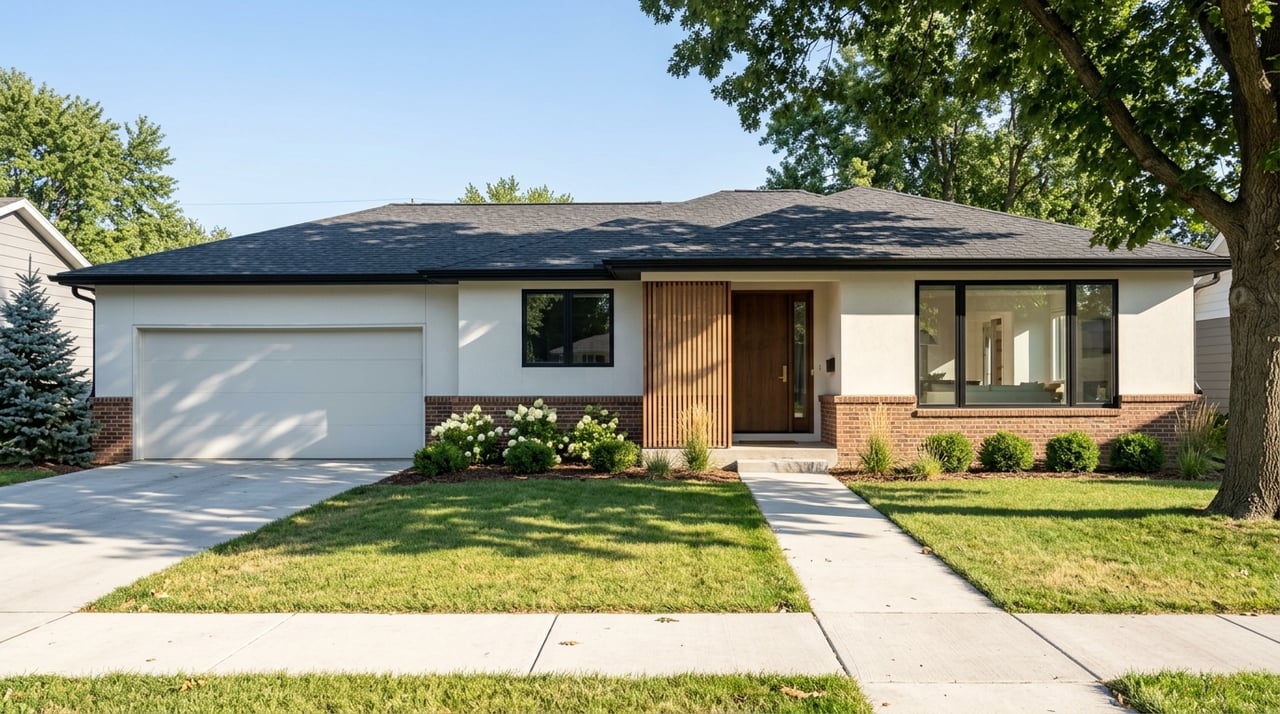
One of Littleton’s strengths is that it does not offer just one type of home. Instead, the city has a mix of older character properties, more conventional suburban housing, and attached or multi-family options.
Near the historic areas, you can find older architecture that includes Queen Anne and Victorian examples, along with a Craftsman-heavy historic district at Louthan Heights. These areas can appeal to buyers who want more architectural personality and a setting with established character.
Across the broader city, the housing mix expands quite a bit. According to the city’s comprehensive plan, Littleton includes single-family neighborhoods, duplexes, townhomes, patio homes, apartments, and condominiums.
That range matters if you are comparing budget, maintenance needs, and lifestyle goals. Whether you want a detached home, a lower-maintenance attached property, or something closer to downtown, Littleton gives you more than one path.
Walkability and neighborhood feel
Littleton is not uniformly walkable in the same way a dense urban neighborhood would be, but some parts of the city are easier to navigate on foot or by bike than others. The city’s comprehensive plan identifies mixed-character neighborhoods near downtown as the areas most conducive to walking and biking.
That means your day-to-day experience can vary depending on where you land. If being close to trails, downtown businesses, or transit matters to you, location within Littleton is worth paying close attention to.
This is especially helpful for relocators who may only know Littleton by name. The city has a consistent identity, but the feel can shift from historic and connected near downtown to more traditionally suburban in other parts.
Parks and trails shape daily life
Outdoor access is a major part of living in Littleton. The city reports more than 1,400 acres of parks and open space and more than 200 miles of trails, with most trail maintenance handled by South Suburban Parks and Recreation.
For many residents, that translates into more ways to build movement and fresh air into normal routines. You are not limited to planning a weekend outing. Trails, greenways, and park spaces are part of the city’s everyday layout.
A few standout areas help define that experience. The South Platte River corridor and Mary Carter Greenway are central outdoor features, and Hudson Gardens adds another destination along the river trail.
Ketring-Gallup Park is another well-known local spot. At about 55.5 acres around Bemis Public Library and the Littleton Museum, it includes Ketring Lake, mature trees, public art, and pedestrian trails.
Commuting from Littleton
If you need flexibility in how you get around, Littleton offers several options. The city points residents to RTD buses and light rail, and RTD serves the area through Littleton/Downtown Station and Littleton/Mineral Station.
There are also additional transportation resources depending on your needs. The city lists Omnibus appointment-based service for seniors and residents with disabilities, and South Jeffco FlexRide covers Littleton between Santa Fe Drive and E-470.
For drivers, downtown parking resources add some practical convenience. For transit users, having two light-rail stations can make Littleton easier to consider if you want suburban living with regional access.
The city is also working on mobility improvements. In its 2026 annual report, Littleton said it installed its first protected bike lanes, completed its first complete-street segment on Euclid Avenue, and is adding a pedestrian underpass on Lee Gulch Trail to improve safety and connectivity.
Who Littleton may appeal to most
Littleton tends to fit buyers who want a suburban setting without giving up personality. If you like the idea of a recognizable downtown, established neighborhoods, and a strong park and trail system, it checks a lot of boxes.
It can also be a good match if you want housing choice. The city includes everything from older homes with historic character to condos, townhomes, and more conventional suburban properties.
For relocators, Littleton often stands out because it offers a practical daily lifestyle. You have local businesses, events, outdoor access, and transit options in a setting that feels active but not overly dense.
What to keep in mind before moving
The biggest mistake buyers make with Littleton is assuming every Littleton address offers the same experience. Since some mailing addresses fall outside city limits, it is important to confirm the exact location and what jurisdiction it falls under.
You will also want to think clearly about your priorities. If you care most about walkability and quick access to downtown amenities, areas closer to the historic core may feel very different from homes in more spread-out parts of the area.
That is where local guidance can save you time. Comparing home style, commute patterns, trail access, and the actual city-versus-mailing-address distinction can help you choose the right fit, not just the right ZIP code.
If you are exploring Littleton or comparing it with other south metro communities, working with someone who can explain those tradeoffs clearly makes the process a lot easier. If you want practical guidance on neighborhoods, home options, or your next move in the Denver metro, connect with Mark Hutchinson.
FAQs
What is the overall feel of living in Littleton, Colorado?
- Littleton feels like a historic, trail-rich suburban city with a walkable downtown core, active community events, and convenient access to parks, local businesses, and transit.
What kinds of homes can you find in Littleton, Colorado?
- Littleton has a broad housing mix that includes older character homes, suburban single-family homes, duplexes, townhomes, patio homes, apartments, and condominiums.
Is downtown Littleton walkable?
- Downtown Littleton is set up for walking, biking, and transit, and it connects to several trails including the Mary Carter Greenway, Community Trail, and Centennial Link Trail.
Does Littleton have good parks and trails?
- Yes. The city reports more than 1,400 acres of parks and open space and more than 200 miles of trails, making outdoor access a major part of daily life.
Is Littleton a good option for commuters?
- Littleton offers flexible commuting options through RTD buses, light rail service at Littleton/Downtown Station and Littleton/Mineral Station, and additional local transportation resources.
Are all Littleton addresses inside Littleton city limits?
- No. Some properties have a Littleton mailing address but are outside the actual city limits, so it is important to verify the specific address before assuming city services or jurisdiction.